

X
会员中心
登录 注册
X
姓 名*
身份证号*
手机号码:
QQ号码:
X
姓  名:
证书编号:
身份证号:
发证日期:
此证书持有人通过数夫家具软件应用技能考核。具备熟练使用以下数夫家具软件模块进行业务处理操作的能力。
软件版本:
应用模块:
本证书表明此证者通过资格证评审组严格考核,已达到相应技能水平。
总经理:
Home News Center Industry Knowledge
Industry Knowledge

How Can ERP Systems Help Enterprises Achieve Closed-loop Management?

Published on: 2024-07-02

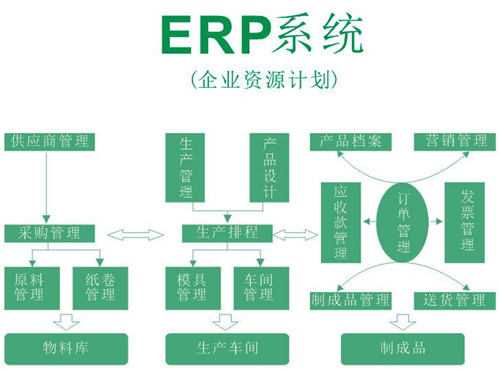
How can an ERP system help enterprises realize closed-loop management? In modern enterprise management, ERP systems play a vital role. By integrating various business processes and data, ERP systems can not only improve operating efficiency, but also achieve closed-loop management, ensuring seamless coordination and continuous optimization across all enterprise links. So how does this work in practice?


How Can ERP Systems Help Enterprises Achieve Closed-loop Management?


Data Integration and Sharing:

Unified Data Platform: ERP systems centralize all enterprise business data on one platform, enabling unified data management and sharing and avoiding information silos.

Real-Time Data Updates: Data in each business module is updated in real time, ensuring that all departments can make decisions and carry out operations based on the latest information.

Business Process Integration:

Process Automation: Through workflow engines, ERP systems automate and standardize business processes, reducing human intervention and errors.

Cross-Department Collaboration: Business processes across different departments are seamlessly connected, improving collaboration efficiency. For example, the creation of a sales order can automatically trigger production and procurement processes.

Monitoring and Feedback:

Real-Time Monitoring: ERP systems provide real-time monitoring functions, helping enterprises stay informed about the operation of each business link and identify and solve problems promptly.

Feedback Mechanism: Through data analysis and reports, ERP systems can provide timely feedback information to help enterprises adjust strategies and processes.

Performance Management:

KPI Tracking: ERP systems can set and track key performance indicators (KPIs), monitoring performance across each business link in real time.

Data Analysis: Through data analysis, ERP systems can identify the root causes of performance issues and propose improvement suggestions.

Cost Control:

Cost Accounting: ERP systems can accurately calculate the costs of each business link, helping enterprises conduct effective cost control and management.

Resource Optimization: Through data analysis, ERP systems can optimize resource allocation, reduce operating costs, and improve profit margins.

Quality Management:

Quality Monitoring: ERP systems can monitor quality data in the production process in real time to ensure that products meet quality standards.

Continuous Improvement: Through analysis and feedback on quality data, ERP systems help enterprises continuously improve production processes and quality management systems.

Supply Chain Management:

Supply Chain Collaboration: ERP systems integrate all links of the supply chain and enable coordinated operation among suppliers, production, warehousing, logistics, and sales.

Inventory Management: Through real-time monitoring and analysis of inventory data, ERP systems can optimize inventory levels and reduce the risks of excess inventory and stockouts.

Customer Relationship Management:

Customer Data Management: ERP systems integrate customer information and sales data to help enterprises better understand customer needs and behaviors.

After-Sales Service: Through the management and analysis of after-sales service data, ERP systems can improve customer satisfaction and loyalty.

Risk Management:

Risk Forecasting: Through data analysis, ERP systems can predict and identify potential risks, helping enterprises take preventive measures in advance.

Emergency Response: The real-time data and feedback mechanisms provided by ERP systems can help enterprises respond quickly to unexpected events and reduce risk impact.


How Can ERP Systems Help Enterprises Achieve Closed-loop Management?


As technology continues to advance, ERP systems will continue to play an important role in the future, driving enterprises toward intelligent and digital transformation and helping them maintain competitive advantages. This systematic and integrated management approach not only improves operating efficiency and resource utilization, but also enhances enterprise flexibility and responsiveness. The Soonfor ERP system is centered on enterprise management. It uses information technology to automate management, supply chain, production, sales, and related activities, building a management system that integrates upstream and downstream business processes. It helps enterprises simplify complexity, achieve digital management, drive industry upgrades, reduce costs, and win more business opportunities and profits.
Back to List >>
Copyright ©2020 广东数夫软件有限公司 All Rights Reserved 版权所有 粤ICP备07004079号
Online Service| Sitemap | Legal Notice
Online Consultation
Submit Request
Contact Us
Hello, we are always here to help you

Call Soonfor

Sales: 137-1208-6729

After-sales: 400-1166-002

WeChat Consultation
Scan with your phone to add WeChat
Official Account
Scan to follow and leave a message
Back to Top
Free Consultation
Online Support
Submit Request