
In many home furnishing factories, MES systems often fall into an awkward situation after going live:
The boss spends hundreds of thousands on an intelligent brain, but workers treat it as an electronic attendance machine.
The large-screen dashboard shines brightly, but experienced workers only trust the small notebooks in their hands.
Complaints of "Why do I have to scan codes and report work?" keep coming, while "I want to use MES" becomes a luxury.
But the truth is that workers are not resisting digitalization. The system simply has not given them a reason to use it.
When MES changes from a management tool into a handy tool for frontline workers, change quietly begins.

I. Let data serve me instead of being reported by me
Traditional MES always asks workers: how much did you produce, what is the yield rate, and why did the machine stop?
It feels like a supervisor, not a partner.
A smart MES does the opposite:
Scanning a code immediately brings up drawings, process parameters, and quality inspection standards for the current work order, so workers no longer need to flip through paper documents or ask the team leader.
The system automatically reminds them: the next batch of panels is ready, and the edge banding glue temperature needs to be adjusted to 190 degrees Celsius.
When abnormal downtime occurs, one-click repair reporting sends real-time maintenance progress updates, saving argument and waiting time.
For workers, this is not being monitored, but having someone help them work.
II. Make performance transparent so every penny is visible
In the past, piece-rate wages relied on handwritten statistics by team leaders. Workers only knew their income at month end, and errors often occurred.
Workers wondered: I clearly did more work, so why did I earn less?
The new generation of MES makes performance visible in real time:
Every time a process is completed, the mobile terminal immediately displays: plus RMB 2.8, today's total: RMB 326.
When the yield rate is high, the system automatically adds quality bonuses.
Monthly rankings are displayed on the wall, and the top five receive extra rewards. More work brings more pay, clearly and transparently.
When income is directly linked to output and the sense of instant payment is fully delivered, who would not want to scan a few more orders?
III. Give the frontline a voice and make the system more human
The most fatal failure is treating MES as an IT department project instead of a workshop tool.
The real secret to implementation is letting workers participate in design.
For example:
Before launch, hold a complaint meeting. Experienced workers say the scanner is too heavy, so it is replaced with a lightweight PDA.
Workers suggest pushing abnormal alerts directly to WeChat, which is timelier than watching a large screen.
Set up a process optimization suggestion box, and reward adopted suggestions. In one factory, workers proposed automatically triggering a quality inspection node after edge banding, reducing the rework rate by 15%.
When workers feel that the system understands them, resistance naturally turns into support.
For example, at a customized furniture factory in Zhejiang, a 50-year-old edge banding technician now actively teaches new employees how to use MES every day: "Before, I had to fill out forms after finishing work. Now I just scan once, the work is recorded, the money is calculated, and problems are solved. Isn't that easier than keeping accounts?"
True digital transformation is never about replacing people, but making people stronger.
When MES helps workers save time, earn more money, and avoid blame, why worry that no one will use it?
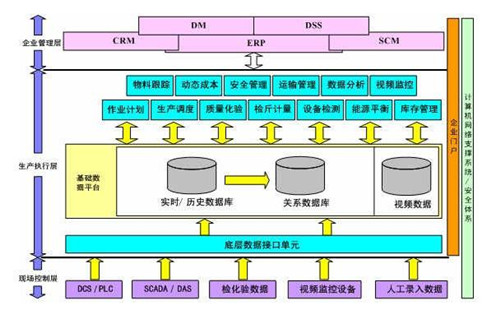
Behind all this, a system that truly understands home furnishing manufacturing, fits workshop scenarios, and centers on users is required. Soonfor Software, with more than 20 years of deep industry experience, starts from frontline pain points and builds MES into a good production helper that workers are willing to use, like to use, and cannot do without, helping home furnishing enterprises achieve a qualitative change from forced implementation to full-staff co-creation.
Back to List >>Call Soonfor
Sales: 137-1208-6729
After-sales: 400-1166-002

Back to Top
|
Free Consultation
|
Online Support
|
Submit Request |