

What are the functions of MES systems? What is their significance? MES systems are systems for real-time data collection, management, tracking, and statistical analysis during the production process. MES systems are of great significance to enterprise production management. So what can MES systems help enterprises do, and what functions do they have?
Functions of MES systems:
MES systems are very different from traditional workshop controllers characterized by dispatch-order-based production management and auxiliary material flow, as well as unit controllers that focus mainly on operation and equipment scheduling. MES systems comprehensively consider planning and scheduling, tracking, monitoring, material configuration, quality management, equipment monitoring, and integrated manufacturing systems as a production model, and their ultimate goal is to realize comprehensive manufacturing automation.
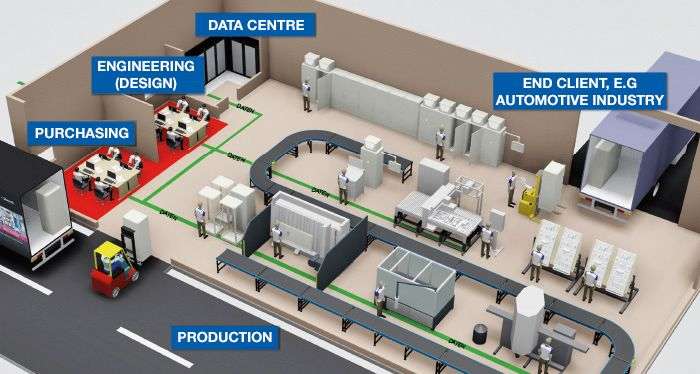
As the intermediate execution layer, MES systems not only realize online monitoring of production management and real-time data collection, but can also feed information back to the upper level in time. By analyzing and processing on-site real-time data and transforming it into effective information that supports upper-level business decisions, they demonstrate the important role of linking upper and lower levels.
The above five points summarize the functions of MES. For enterprises, MES is highly significant. Systems such asSoonfor MES Shop Floor Execution Systemcan complete real-time factory attendance, real-time work start, real-time work completion, real-time wages, real-time drawings, and real-time exception feedback.
Call Soonfor
Sales: 400-1166-002
After-sales: 0769-22364912 Ext. 200

Back to Top
|
Free Consultation
|
Online Support
|
Submit Request |