

Production management software is also called enterprise resource management software, or an ERP system. Taking production planning as the main line, it carries out unified planning and control over various resources in enterprise manufacturing, realizes the effective integration of enterprise production resources, and includes six major functional modules: production, materials, human resources, sales, finance, and operations. It helps manufacturing enterprises solve management bottlenecks by providing functions such as process simplification, cost reduction, and the control and insight required to generate profits. The role of enterprise management software is, in essence, to systematically store and manage all data and information within the enterprise that needs to be recorded.
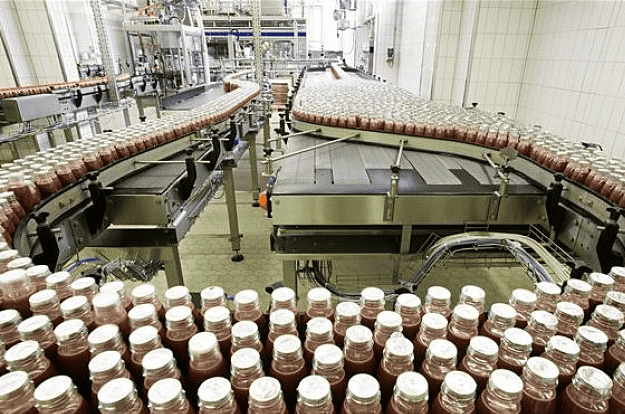
This includes functions for entering, copying, querying, modifying, and deleting material master files, bills of materials, process routes, and work center data. It is the main body of the manufacturing data management system.
2. Cost accounting
The ERP system can independently calculate costs for each order, including material costs, labor costs, property costs, water and electricity costs, and more, all of which are clear and transparent. This provides data references for enterprise analysis and management.
3. Automatic material calculation for production orders
Orders are automatically calculated according to the BOM, generating inventory quantities and purchasing quantities, which greatly facilitates enterprise management and prevents material waste.Through the ERP system, users can intuitively view data such as the production progress of each process, qualification rates, production equipment status, and the number of production personnel.
Call Soonfor
Sales: 400-1166-002
After-sales: 0769-22364912 Ext. 200

Back to Top
|
Free Consultation
|
Online Support
|
Submit Request |