What is the use of a smart home system? Is it expensive? With the rise of the smart home boom and the spread of its applications, many families have come to understand the importance of smart home systems and have considered purchasing and installing them. However, they know very little about smart home brands and pricing. So how much does a complete smart home system cost?
Introduction to Smart Home Systems:
A smart home system uses advanced computer technology, network communication technology, intelligent cloud control, integrated wiring technology, and medical electronics technology, and follows ergonomic principles while integrating personalized needs. It organically combines various subsystems related to home life, such as security, lighting control, curtain control, gas valve control, information appliances, scene linkage, floor heating, health care, hygiene and epidemic prevention, and security protection. Through networked integrated intelligent control and management, it realizes a brand-new people-oriented home living experience.
It is also called an intelligent residence, and Smart Home is the common term used abroad. Terms similar in meaning to smart home systems include home automation, electronic home, digital home, home network, networked home, and intelligent home or building. In Hong Kong, Taiwan, and some other regions in China, terms such as digital family and digital home are also used.
What Is the Use of a Smart Home System:
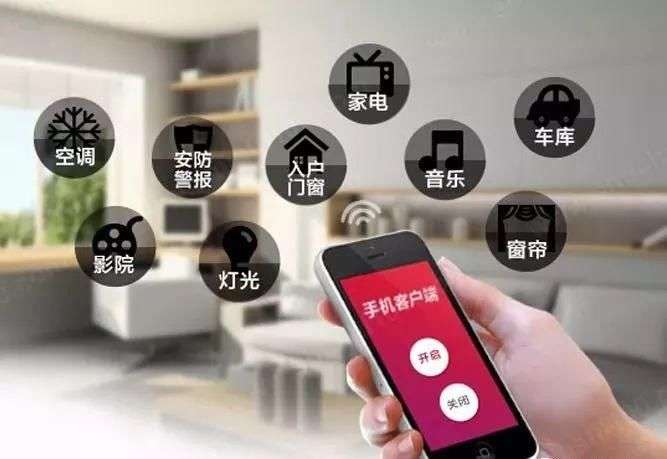
I. Smart lighting control It enables intelligent management of all lighting throughout the home. Through various intelligent control methods such as remote controls, it can realize remote switching, dimming, all-on and all-off functions, as well as one-touch lighting scene effects such as meeting mode and cinema mode. It can also implement functions through multiple control methods such as scheduled control, remote phone control, local computer control, and internet remote control, thereby achieving the energy-saving, environmentally friendly, comfortable, and convenient functions of intelligent lighting. Advantages: 1. Control: local control, multi-point control, remote control, area control, and so on. 2. Safety: strong current is controlled through weak current, and the control circuit is separated from the load circuit. 3. Simplicity: the smart lighting control system adopts a modular structural design, making it simple, flexible, and easy to install. 4. Flexibility: according to changes in the environment and user needs, lighting layout changes and function expansion can be realized only through software setting adjustments. II. Smart appliance control Appliance control uses weak current to control strong current, making it both safe and intelligent. It can use multiple intelligent control methods such as remote control and scheduling to intelligently control devices at home such as water dispensers, sockets, air conditioners, floor heating, projectors, and fresh air systems. This avoids repeated heating of water dispensers at night that affects water quality, cuts power to power strips when going out to avoid safety hazards caused by appliance heating, and also enables scheduled or remote control of air conditioning and floor heating, allowing you to enjoy comfortable temperatures and fresh air as soon as you get home. Advantages: 1. Convenience: local control, scene control, remote control, remote phone and computer control, mobile phone control, and so on. 2. Control: through infrared or Z-wave signal control methods, it is safe, convenient, and non-interfering. 3. Health: through intelligent detectors, the system can detect temperature, humidity, and brightness in the home and drive electrical devices to work automatically. 4. Safety: the system can automatically turn circuits on or off according to daily life rhythms, avoiding unnecessary waste and fires caused by electrical aging.
How Much Does a Smart Home System Cost:
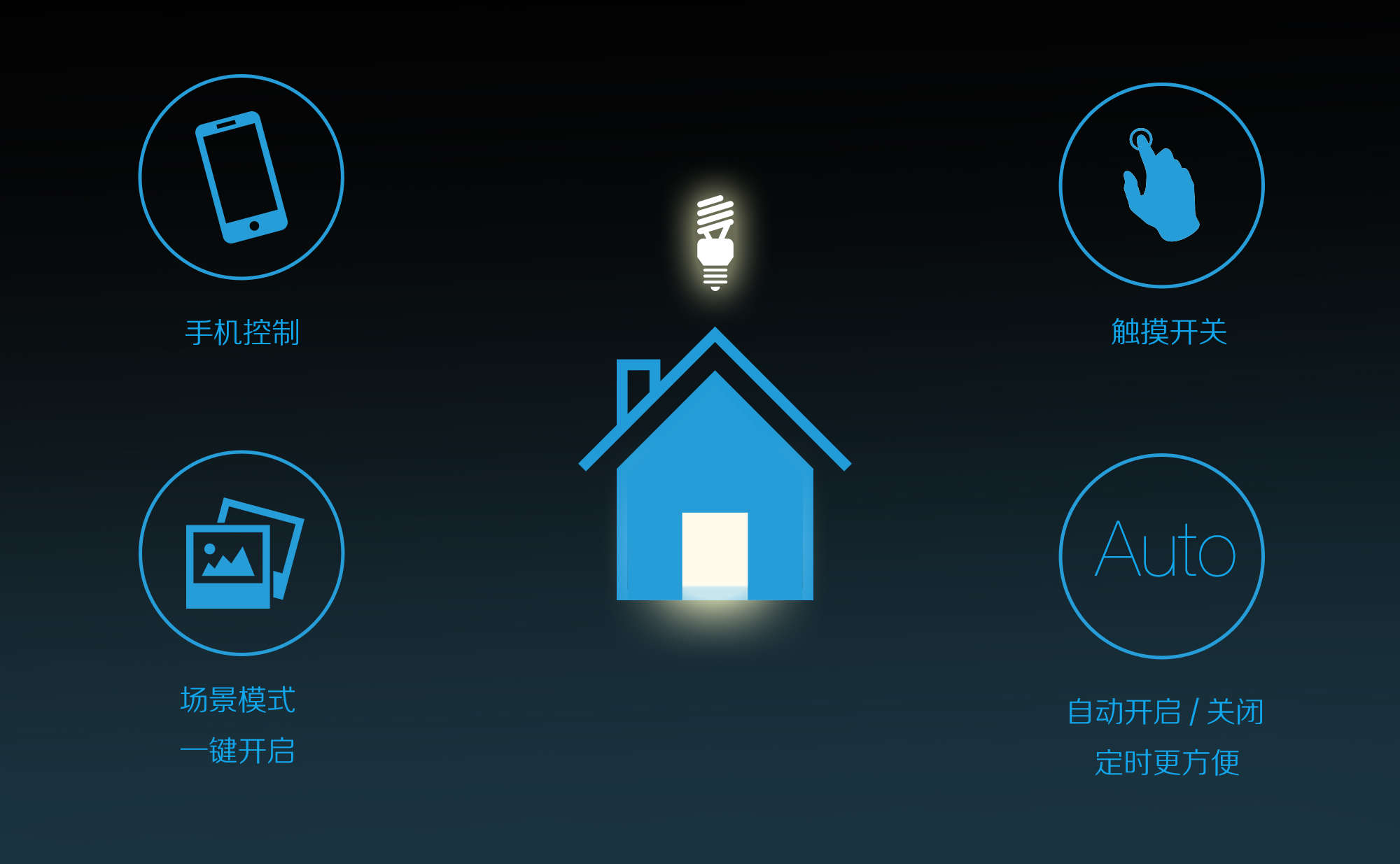
Taking a three-bedroom, two-living-room layout as an example, if you only want to achieve lighting control, a few thousand yuan can usually handle it. A relatively economical setup with standard functions generally costs around 10,000 to 20,000 yuan, while imported high-end brands are generally priced at 100,000 to 200,000 yuan. When installing a smart home system in a villa, however, the price will increase substantially due to the increase in control points. In many cases, in order to achieve the desired control effect, one smart host may need to be deployed on each floor, which also adds significantly to the cost. Now let us look specifically at the approximate cost of each item. 1. Appliance control The cost of smart socket control for televisions, air conditioners, and water heaters is only about 120 to 200 yuan each. Infrared forwarding is generally an additional function of the smart host. According to the layout shown above, six sockets are about enough, and the total cost is about 1,000 yuan. 2. Lighting control cost At present, relatively inexpensive control panels on the market can be chosen in WiFi versions. Not only are they simple to configure, but they can fully meet daily usage needs. The price of one panel is generally between 120 and 200 yuan. Based on the above layout, about ten panels are enough, with a total cost of around 2,000 yuan. 3. Access control system The price of fingerprint locks depends on the entrance door situation, but under normal circumstances 3,000 yuan is sufficient. Do not be tempted by low prices, because this is not something that should be bought casually. Recently, many well-known smart enterprises have also launched fingerprint locks with facial recognition. Their prices are not too high either. If conditions permit, it is recommended to personally try them at a smart home experience store so that you can know which functions match your needs. 4. Smart shading control Electric curtains and electric window openers generally cost about 1,200 yuan per room package. Based on the layout shown above, four sets are enough, so the total cost is about 6,000 yuan. 5. Security alarm Door sensors, infrared detectors, smoke alarms, and gas alarms are all inexpensive now because the underlying technology and components are already mature. Based on the layout shown above, one full set is enough, and the cost is only about 500 yuan. 6. Whole-house control If you want to achieve unified management, a host with good performance is indispensable, but you must choose a reliable brand. In addition to guaranteed quality, a powerful database means there will be fewer issues with convenience of use and compatibility. A host that guarantees the realization of the above functions and supports features such as radio frequency generally costs around 1,000 yuan. Let us calculate it together: panels 2,000 plus sockets 1,000 plus shading 6,000 plus security 500 plus access control 3,500 plus host 1,000 equals 14,000 yuan. That is the price when everything is fully equipped. Here, the most expensive components are shading at 6,000 and access control at 3,500, totaling 9,500 yuan. If these two items are removed, only 4,500 yuan remains. In real life, we can configure according to our own needs, and some items may not be necessary. For example, if I only need anti-theft monitoring to watch the house, then a 500-yuan security camera is enough. If I only need mobile phone control of lighting fixtures, then 1,000 yuan can solve it.
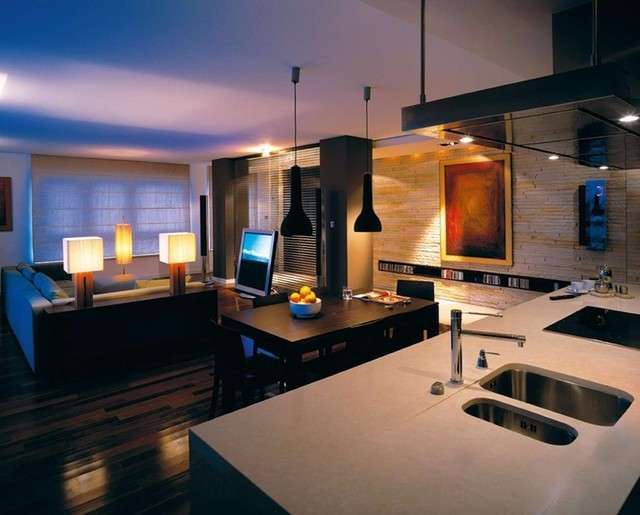
For the above equipment, if different brands and different technologies are chosen, the price will also be completely different. The capabilities of smart home control systems differ, the technologies differ, the brands differ, the control methods differ, and imported products differ from domestic ones. All of these create large differences. In fact, the price has relatively little to do with the size of the house.
The above is an introduction to the advantages and pricing of smart home systems. We hope it is helpful to everyone. Users who want to install a smart home system may take a look.
Back to List >>