
X
会员中心
登录 注册
X
姓 名*
身份证号*
手机号码:
QQ号码:
X
姓  名:
证书编号:
身份证号:
发证日期:
此证书持有人通过数夫家具软件应用技能考核。具备熟练使用以下数夫家具软件模块进行业务处理操作的能力。
软件版本:
应用模块:
本证书表明此证者通过资格证评审组严格考核,已达到相应技能水平。
总经理:
Home News Center Industry Knowledge
Industry Knowledge

Unified Replies to Questions About SMEs Adopting ERP Management Systems

Published on: 2019-05-27

  It has now become a trend for SMEs to implement ERP management systems. It is understood that SMEs account for more than 90% of all enterprises in China and are an important part of the national economy. As a successful model of enterprise management informatization, the application of ERP in SMEs is an important way to improve their informatization level, standardize management processes, and increase economic benefits. What problems will SMEs face when implementing ERP management systems, and how can they solve them?
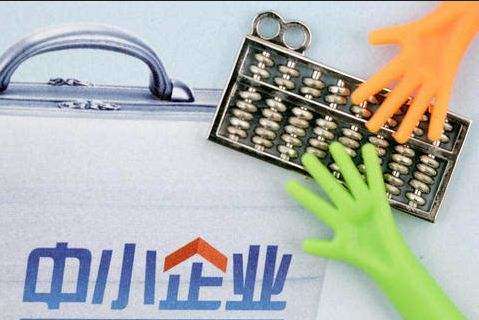

SME ERP Management System


  Characteristics of SMEs:

  (1) Core competitiveness of the enterprise.

  For large enterprises, strategy and organization are the most important factors in development. But for SMEs, core competitiveness lies in their own management level and key businesses.

  (2) Profit.

  Unlike large enterprises that focus on long-term returns and benefits, SMEs, due to limited funds and market risks, place greater emphasis on short-term benefits.

  (3) Cost sensitivity.

  SMEs invest less and earn less profit, so they are far more sensitive to gains and losses than large enterprises and are more cautious when making large-scale investments.

  (4) Talent structure.

  Due to limitations in size and capital, it is difficult for SMEs to recruit highly qualified and experienced talent, and the talent they cultivate themselves is likely to leave after gaining experience.


SME ERP Management System


  Answers to the problems faced by SMEs:
  I. Should small enterprises implement ERP?
  When deciding whether to go online with an ERP system, SMEs have different considerations because of their own limitations. Some enterprises believe their staff quality is low and do not plan to implement ERP systems; some think they should thoroughly understand ERP before applying it; and some believe ERP systems are too complex, require too much investment, and have limited application value for them, so they do not plan to implement ERP. In fact, it is precisely these shortcomings that cause problems for SMEs in sales, production, procurement, inventory, finance, and other management areas. The best solution is to implement ERP.
  II. Implement it step by step or all at once?
  Implementing ERP is different for small enterprises and large enterprises. Large enterprises should begin locally and advance in stages. Small enterprises should not do this, because partial application cannot achieve information sharing and integration. Before full application, enterprise staff will not see obvious changes and may easily lose confidence. Small enterprises also do not need staged implementation. Their management levels are not complicated, data volume is not large, and business processes are relatively simple, so they can sort everything out at one time. Therefore, small enterprises should apply ERP comprehensively in one go and should not engage in unnecessary actions such as partial pilots.
  III. Develop ERP software in-house or buy ready-made commercial software?
  ERP software integrates management, manufacturing, IT, and integration technologies. It has high technical content, great R&D difficulty, a long development cycle, high talent requirements, and large system investment. Ready-made commercial software has mature basic functions, standardized business processes, and a short implementation cycle. It can also be secondarily developed for the needs of SMEs, so at present it is more appropriate for SMEs to purchase ready-made commercial software.
  IV. Domestic software or foreign software?

  What troubles SMEs most in software selection is not daring to consider the prices of first-class foreign products, worrying about the quality of domestic products, and being tempted by the fit of some small vendors' products while fearing they may disappear at any time. In fact, SMEs may not be able to absorb the most fully featured products. The one that truly fits their symptoms is the best.


SME ERP Management System


  SMEs may have various doubts about whether to implement ERP management systems. The above are responses to some common ERP-related questions for SMEs, and I hope they are helpful. Soonfor is a leading domestic enterprise inFurniture ERP Software, MES systems, and CRM software. It is an engine driving the informatization and intelligent transformation and upgrading of the furniture industry. Its furniture ERP system can be chosen by various SMEs.

Back to List >>
Copyright ©2020 广东数夫软件有限公司 All Rights Reserved 版权所有 粤ICP备07004079号
Online Service| Sitemap | Legal Notice
Online Consultation
Submit Request
Contact Us
Hello, we are always here to help you

Call Soonfor

WeChat Consultation
Scan with your phone to add WeChat
Official Account
Scan to follow and leave a message
Back to Top
Free Consultation
Online Support
Submit Request
