

Is a warehouse ERP system easy to learn? How is it used? A warehouse ERP system is a management platform built on information technology and systematic management thinking to provide decision-making and operational tools for enterprise decision-makers and employees.Is a warehouse ERP system easy to learn? How is it used
Is a warehouse ERP system easy to learn:
Today, most warehouse management relies on ERP-based digital operations, which can reduce labor and inventory costs. Therefore, you must understand and skillfully use the various functions of ERP. ERP systems may have different names, but their functions are largely similar. It depends on which one your company uses, and then you can study that specific ERP system in a targeted way to make your work easier. ERP is enterprise management software. From business orders to purchasing, raw-material warehousing, production lines, and finished-goods shipment, the entire process is handled within this software. The software is not difficult to learn if you study it seriously.
A warehouse ERP system is developed around basic warehouse operations such as stock-in, stock-out, and stocktaking. If you first master the business processes, learning the software will be easy. Some software products differ in design, but that is not a major issue. The key is being able to reproduce your manual business operations in the software; once you can do that, you have learned ERP well. At the beginning, staff from the software company will help you implement it, and there may also be some secondary development work, but it will be limited because warehouse systems are already relatively mature and require very few changes. Do not let seemingly complex operations mislead you. Software should help you complete warehouse management better and faster.
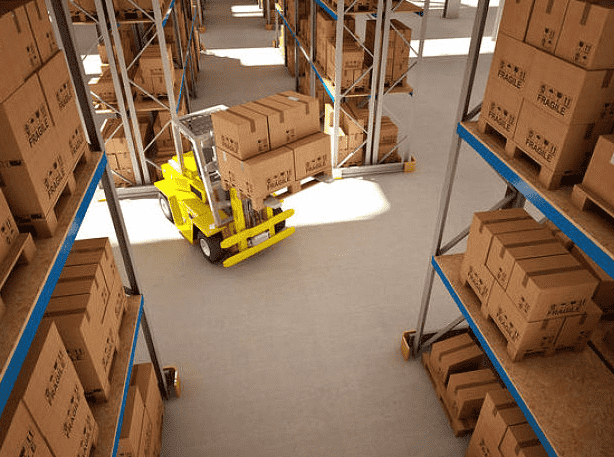
How to use a warehouse ERP system:
Step 1
When goods are received into storage, warehouse managers inspect and receive them, and truthfully enter the actual arrival data into the ERP management system. Data should be entered at the same time goods are put into storage to avoid errors caused by delays. In addition, product codes should match those in the system for better item management.
Step 2
Every change in the warehouse must be supported by a document. Inbound transactions have purchase orders, and outbound transactions have material requisition forms, which makes auditing easier and also facilitates inquiries and timely tracking by enterprise managers. The ERP management system can record stock-in and stock-out processes in a timely manner, making it convenient for staff to audit and for managers to inquire, supervise, and track.
Step 3
The ERP management system can effectively manage and control inventory and provide managers with accurate and useful data. Inventory conditions are clear at a glance, and clear critical stock alerts can be set to reduce excessive purchasing, prevent capital from being tied up, ensure stock levels meet sales demand, and reduce operating losses.
Step 4
The ERP management system is also a tool for standardizing warehouse staff management, which places higher requirements on warehouse personnel. Warehouse managers must ensure that receiving, shipping, returns, and picking data correspond one by one with the system backend and are updated in a timely manner. Once the data is inaccurate, non-standard operations by warehouse staff can be identified.
Call Soonfor
Sales: 400-1166-002
After-sales: 0769-22364912 Ext. 200

Back to Top
|
Free Consultation
|
Online Support
|
Submit Request |