
Digitalization is a concept that reveals only as much as an enterprise is prepared to understand.
For some companies, it may mean introducing basic information technologies to improve isolated efficiencies. For more forward-looking enterprises, however, it means fully embracing digitalization to drive innovation across the entire process, from product development and production management to customer service.
As an important segment of the home furnishing industry, the sanitary ware sector has undergone major changes in recent years. The industry is accelerating into a new stage of intelligent manufacturing and digital development. Although the international situation has been complex and the domestic market has been soft, sanitary ware enterprises have generally maintained steady and healthy development. In response to changes in market demand, these enterprises need to accelerate adjustments in product structure, management, and production models to keep pace with the market.
In this process, how can sanitary ware enterprises achieve faster growth against the trend and adapt quickly to market change? The power of digitalization should not be underestimated.
Part 01. Current state of the sanitary ware industry: seeking development through change
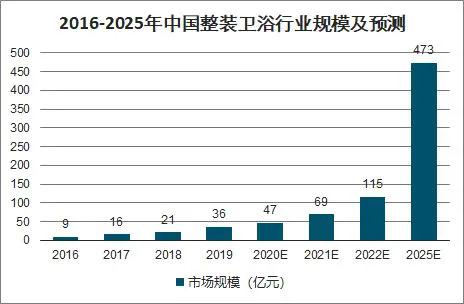
In recent years, despite the complexity of domestic and international conditions and weak consumption, the sanitary ware industry has maintained an overall positive development trend. As consumer living standards continue to rise, demand in China's sanitary ware market, especially in the high-end segment, is expected to grow steadily.
According to authoritative data, the market size of China's sanitary ware industry reached CNY 467.4. billion in 2024, representing year-on-year growth of about 10%. This strong increase is mainly attributed to consumers' pursuit of a higher-quality life and the continuing upgrade of sanitary ware consumption.
Optimism, however, comes with challenges. The core consumer group for sanitary ware products has shifted from people born in the 1970s and 1980s to those born in the 1990s and 2000s. Diversification and personalized customization have become major development trends. Small-batch and diversified products have brought unprecedented pressure to manufacturing, while severe product homogenization and high market saturation have pushed many companies into price competition.
To respond to these challenges, sanitary ware enterprises need to move from simply working hard to also seeing the road ahead. They must actively pursue transformation and find development paths suited to their own conditions. This means not only innovating products and increasing value through intelligence, environmental performance, and personalization, but also pursuing extreme cost control and management optimization by improving internal workflows and production efficiency so the enterprise can operate more efficiently and strengthen competitiveness.
Part 02. Digitalization breaks through the bottlenecks facing sanitary ware enterprises
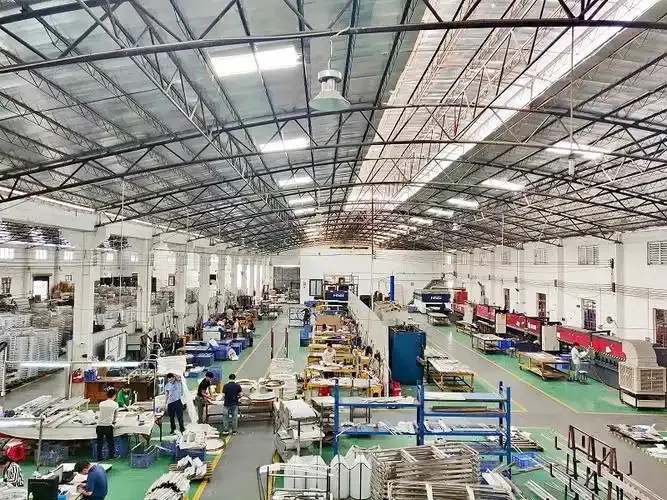
The sanitary ware industry faces many manufacturing challenges. Product categories range from bathroom cabinets to shower rooms. A variety of irregular materials must be used. Product structures are precise, manufacturing processes vary widely, and standardization is difficult. At the same time, the industry's foundations in basic research, automation, intelligence, and digitalization remain relatively weak.
As a result, sanitary ware enterprises face many bottlenecks in production efficiency, cost control, and product quality. To overcome these constraints, they must rely on digital transformation. Only by introducing advanced and comprehensive digital solutions can they optimize production processes, allocate resources effectively, improve management standards, and stand out in fierce market competition to achieve high-quality development.
Digital transformation affects every aspect of an enterprise. From the perspective of what the enterprise connects with, it can be divided into three areas: digital marketing, digital management, and industrial internet applications.
Connecting consumers or customers: The process from products to consumers or customers belongs to marketing and focuses on customer connection. This falls within the field of digital marketing.
Connecting employees: The process from orders to production planning belongs to internal enterprise management and focuses on connecting employees so all staff can collaborate across the process chain. This is the domain of ERP management and belongs to digital management.
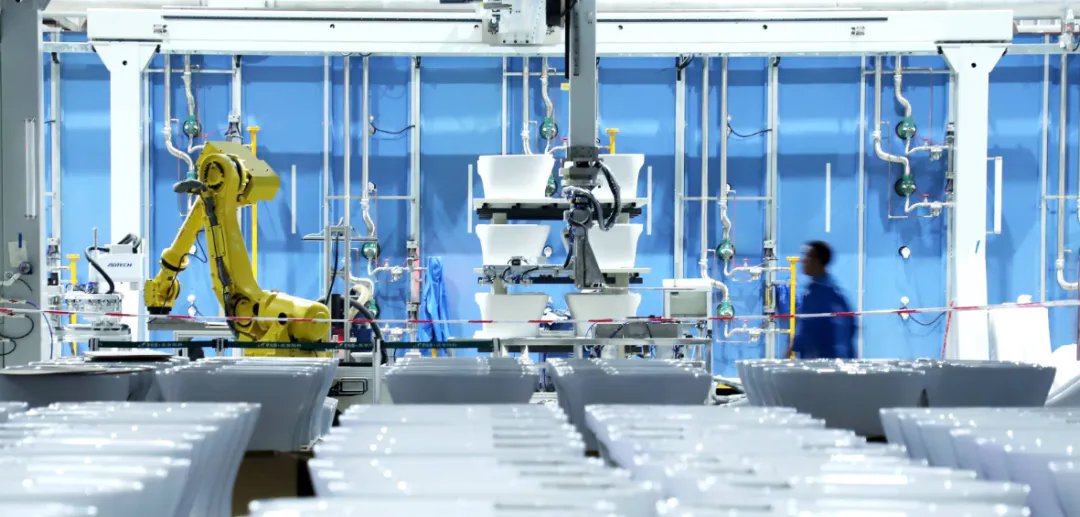
Connecting equipment and products: After a production plan is issued, the process from the plan to the MES production line connects with manufacturing equipment. Data can be used to control production by each machine, track the progress of every product in each process, and manage quality and process capability. This production-side digitalization belongs to the industrial internet field.
Part 03. Soonfor Software leads digital transformation in the sanitary ware industry
Facing a complex market environment and the growing importance of digital management, digital transformation is no longer optional for sanitary ware enterprises. It has become a necessary strategic measure.
Soonfor Software is a leading integrated digital solution provider for the home furnishing industry. With nearly thirty years of industry experience, from marketing and manufacturing to supply chain, and from process optimization to digitalization and intelligent manufacturing, Soonfor provides integrated digital solutions that help sanitary ware enterprises quickly find breakthroughs in fierce market competition.
JOMOO-like whole-bath customization leader Xin Hai Jialan has actively embraced digital transformation since 2011, and Soonfor has accompanied the company throughout that journey. Through a comprehensive customized digital transformation plan, the project brought very visible benefits to Galan Group and helped the enterprise achieve growth against the trend.
The main reported benefits of the digital project include at least a 10% reduction in management costs, inventory accuracy improved to 100%, unit output area reduced by 50%, material savings of more than 30%, and product lead time improved by more than 45%.
Call Soonfor
Sales: 400-1166-002
After-sales: 0769-22364912 Ext. 200

Back to Top
|
Free Consultation
|
Online Support
|
Submit Request |