

On January 15, the latest national Building Materials and Home Furnishing Prosperity Index (BHI), initiated by the Department of Circulation Industry Development of the Ministry of Commerce and released by the China Building Materials Circulation Association, showed that in December 2025, the BHI stood at 107.49, down 6.69 points month on month and down 1.33 points year on year. In December, sales of building materials and home furnishing stores above designated size nationwide reached RMB 117.960 billion, down 9.00% month on month and down 4.40% year on year. For the full year of 2025, cumulative sales reached RMB 1.441145 trillion, down 3.33% year on year.
In December 2025, temperatures across China fell, and the building materials and home furnishing market continued its traditional winter off-season trend, with the BHI declining accordingly. The Industry Research Department of the China Building Materials Circulation Association interpreted that in 2025, affected by multiple factors such as deepening changes in the external environment, the prominent domestic contradiction of strong supply and weak demand, and the deep adjustment of the national real estate market, the national building materials and home furnishing industry showed resilience and moved forward bravely amid various difficulties.
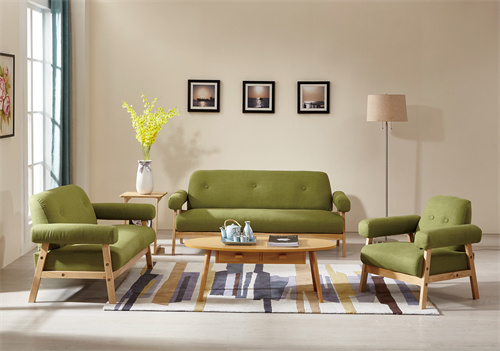
2025: The home furnishing and building materials industry still moved forward with resilience overall
In December 2025, the national building materials and home furnishing market continued its traditional off-season characteristics. The BHI continued to fall, and sales of building materials and home furnishing stores above designated size declined month on month. The core reason was the seasonal pattern of restricted winter construction conditions and weakened consumer willingness to renovate. In 2025, the external environment was complex and volatile, the domestic economic contradiction of strong supply and weak demand was prominent, and the deep adjustment of the real estate market further intensified competition and internal pressure in the building materials and home furnishing industry. Even so, the industry as a whole still moved forward with resilience.
Judging from the performance of each sub-index, the pattern was "one rise and multiple declines." The only sub-index that rose month on month, the "popularity index," reached 138.26, up 6.80 points month on month and up 3.07 points year on year. This was mainly driven by promotional activities during Christmas and New Year's Day, which kept customer foot traffic at a relatively high level for the same period. By contrast, the "manager confidence index," a leading indicator, recorded the largest month-on-month decline, down 13.29 points, reflecting cautious expectations among market participants for short-term trends.
In 2025, the home furnishing and building materials industry showed three major characteristics: trade-in policies effectively released existing demand, capacity reduction in commercial channels promoted optimization of the supply structure, and deep empowerment by AI technology enhanced enterprise competitiveness.
2026: Green, intelligent, and aging-friendly solutions will become new growth engines for the industry
Considering that the Spring Festival in 2026 falls in mid-February, building materials and home furnishing stores will enter the holiday closure mode earlier. Coupled with the fact that consumers before the holiday are more inclined to arrange outbound travel and prepare New Year goods, short-term actual purchasing willingness will be affected. It is expected that the BHI will remain at a low level in early 2026.
In recent years, the full-year trend of the BHI has gradually become smoother. The operating trajectory of the BHI in 2025 was clear: in February, affected by the Spring Festival holiday, the BHI reached the low point of the first half of the year; in March, as temperatures rose and the peak season for home improvement consumption began, the BHI gradually climbed; in May, it reached the annual high point and became the market prosperity peak of the year; in June, high temperatures and rainy weather restricted construction, causing the BHI to fall back; later, with the arrival of the traditional peak consumption season of September and October, the BHI rose to the second-half high in October; and by December, affected by off-season factors, the BHI declined to close the year.
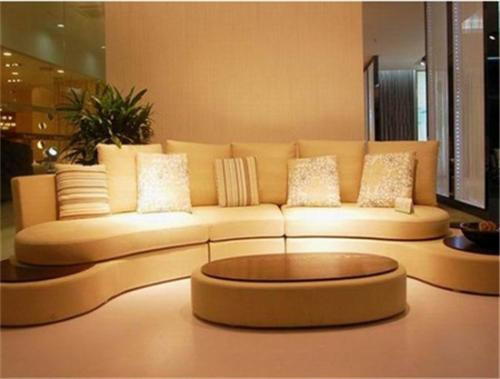
At the beginning of 2026, the Ministry of Commerce and eight other departments released the Notice on Implementing the Green Consumption Promotion Action, putting forward clear requirements for promoting green consumption. In the future, renovation of existing homes and the construction of "good houses" will remain stable ballast stones for the building materials and home furnishing market, while the three tracks of green, intelligent, and aging-friendly solutions will become new growth engines for the industry.
Source: Rednet
Back to List >>Call Soonfor
Sales: 400-1166-002
After-sales: 0769-22364912 Ext. 200

Back to Top
|
Free Consultation
|
Online Support
|
Submit Request |