How can furniture enterprises reduce resource waste and lower costs? Reducing resource waste and lowering costs are important strategies for improving the competitiveness of furniture enterprises and enhancing their sustainable development capabilities. In the process of pursuing reduced resource waste and lower costs, furniture enterprises can adopt a variety of methods to achieve this goal. What are they specifically?
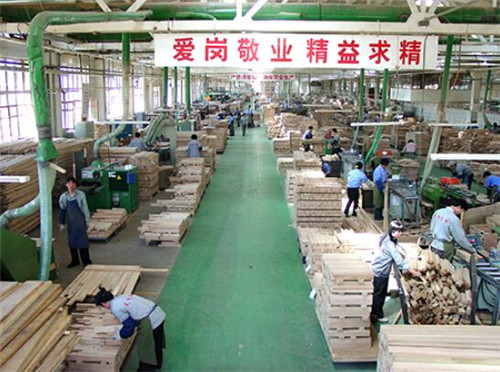
1. Optimize the Design Process Design to Reduce Material Use: By improving design and reducing unnecessary material usage, companies can not only lower costs, but also attract consumers who care about sustainability. Modular Design: Adopting modular design concepts can reduce production costs and material waste through standardized components. 2. Improve Material Utilization Optimize Cutting Plans: Use advanced software tools to optimize cutting plans for boards and other raw materials to minimize waste as much as possible. Recycle Waste Materials: Sort and recycle waste generated during the production process. Some waste materials can re-enter the production process or be used to manufacture other products. 3. Lean Production Reduce Waste in the Process: Adopt the principles of lean production to identify and eliminate any waste in the production process, including overproduction, waiting time, and unnecessary transportation. Continuous Improvement: Encourage employees to participate in the continuous improvement process, identify inefficient links, and propose improvement suggestions. 4. Energy Saving and Emission Reduction Energy-Saving Equipment: Invest in efficient and energy-saving machinery and equipment to reduce energy consumption. Optimize Energy Use: Monitor energy usage through energy management systems and identify opportunities for energy saving and emission reduction. 5. Supply Chain Management Optimize Inventory: Adopt precise inventory management strategies to avoid excess inventory and material expiration. Partner Selection: Choose suppliers that can provide sustainable materials and efficient logistics so as to reduce overall environmental impact and costs. 6. Technology and Automation Automated Production Lines: Introduce automation technology to reduce human error and improve production efficiency and material utilization. Digital Management: Use ERP systems and other digital tools to optimize production planning, inventory management, and logistics. 7. Product Recycling and Remanufacturing Establish Product Recycling Programs: Encourage consumers to recycle old furniture. Enterprises can refurbish or recycle these products to reduce the demand for raw materials.
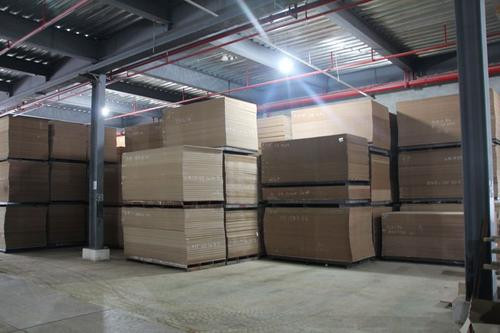
For furnitureenterprises, reducing resource waste and lowering costs is the key to achieving sustainable development. This not only helps improve environmental responsibility and social image, but also enhances market competitiveness and profit margins. The age of informatization has arrived, and only by keeping pace with the times can enterprises quickly adapt to internal and external changes. Soonfor Software is a leading domestic enterprise in home furnishing ERP software, MES systems, CRM systems, SCM systems, and PLM systems. It is an engine driving the digital and intelligent transformation and upgrading of the broader home furnishing industry.
Back to List >>