


X
会员中心
登录 注册
X
姓 名*
身份证号*
手机号码:
QQ号码:
X
姓  名:
证书编号:
身份证号:
发证日期:
此证书持有人通过数夫家具软件应用技能考核。具备熟练使用以下数夫家具软件模块进行业务处理操作的能力。
软件版本:
应用模块:
本证书表明此证者通过资格证评审组严格考核,已达到相应技能水平。
总经理:
Home News Center Industry Knowledge
Industry Knowledge

What Are the Main Contents of Process Information Management?

Published on: 2024-03-22

What are the main contents of process information management? Process information management is a crucial part of intelligent manufacturing. It not only involves the planning and design of production processes, but also covers process parameters, equipment configuration, human resources, and many other aspects. The following are the main contents of process information management.


What Are the Main Contents of Process Information Management?


(1) Basic Process Information

Basic process information includes process number, process name, equipment or workstation, whether outsourcing is involved, whether self-inspection is required, whether special inspection is required, standard working hours, process preparation time, process machining time, and other information. Among them, equipment or workstation binds the process to equipment or a workstation, and can also bind it to a category of equipment. When a production task reaches this process, the Manufacturing Operations Management system will automatically push the corresponding process task and related process data to the workstation bound to the process, realizing paperless workpiece circulation in the workshop. If automated logistics equipment exists in the workshop, this information also defines the logistics path of the workpiece in the workshop.

(2) Process Tooling

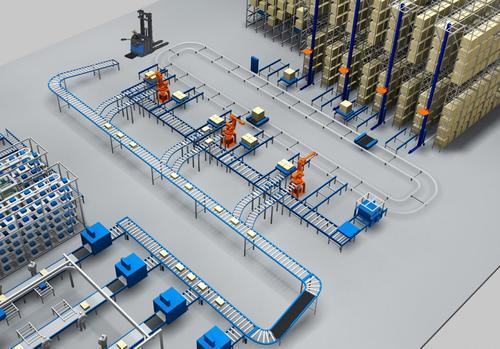
The configuration of process tooling mainly binds this machining process to the sub-plates, fixtures, and other tooling used. The Manufacturing Operations Management system has a master data management module that manages type information for various sub-plates and fixtures, as well as combination relationships among tooling. When configuring process tooling, the system selects the various tooling required for the process from the tooling type library in the master data management module and binds them to the process. The configuration of process tooling is mainly intended to realize material matching for clamping preparation. Through the configuration definition of process tooling, the MOM system requests the corresponding sub-plates and fixtures from the automated warehouse management system, and the workshop AGV delivers them to the production preparation workstation or production line side, realizing material kitting for workpiece clamping preparation, reducing operator steps, and improving production efficiency.

(3) Process Documents

Process document configuration adds various work instructions required during process execution, including clamping work instructions, machining work instructions, inspection procedures, and other documents. The MOM system supports displaying work instructions in multiple document formats, including PDF, images, and videos. Through the binding relationship between the process and equipment or workstation described above, various work instructions are synchronously pushed to production equipment or workstations. Instruction files in multiple graphic, text, and video formats guide on-site workers in various process operations more vividly and intuitively, reducing the time workers spend consulting process documents and materials.

(4) Process Inspection Items

For processes requiring self-inspection or special inspection, the system supports defining corresponding inspection items for process self-inspection or special inspection. Inspection item information includes inspection item name, testing tool, standard value, upper deviation, lower deviation, unit, and other information. Inspection items include but are not limited to testing of various geometric tolerances, surface quality inspection, weighing, and more. Testing tools include gauges, calipers, coordinate measuring machines, weighing machines, visual inspection, and more. The standard value, upper deviation, and lower deviation define whether the measured value is within the tolerance range and are used to determine whether the measured value of the part is qualified.

For machining processes, most inspection items are dimensional measurements. To reduce the cumbersome operation of inspectors entering measured values into the system, the MOM system can interconnect with measuring equipment based on process inspection item information. By collecting measurement result data from measuring equipment and automatically filling the measurement results into the system interface after parsing, inspectors can focus on inspection operations and reduce data entry operations.


What Are the Main Contents of Process Information Management?


Through comprehensive management of process information, manufacturing enterprises can optimize production processes and achieve refined management, thereby improving production efficiency, reducing costs, improving product quality, and laying a solid foundation for intelligent manufacturing. On the path of enterprise digital transformation, there are many successful experiences to learn from. Soonfor Software has focused on pan-home furnishing industry digital management for more than 20 years, with professional consultant guidance and mature management systems that can help enterprises realize full-process management from orders, production, warehousing, and logistics to after-sales, supporting successful enterprise transformation.
Back to List >>
Copyright ©2020 广东数夫软件有限公司 All Rights Reserved 版权所有 粤ICP备07004079号
Online Service| Sitemap | Legal Notice
Online Consultation
Submit Request
Contact Us
Hello, we are always here to help you

Call Soonfor

Sales: 137-1208-6729

After-sales: 400-1166-002

WeChat Consultation
Scan with your phone to add WeChat
Official Account
Scan to follow and leave a message
Back to Top
Free Consultation
Online Support
Submit Request