How can standardized operating procedures be established through an ERP system? In modern furniture manufacturing, standardized operating procedures are crucial for improving production efficiency, ensuring product quality, and reducing operating costs. Through the introduction and implementation of an ERP system, enterprises can systematically manage each business link and realize process standardization and optimization. How should this be done?
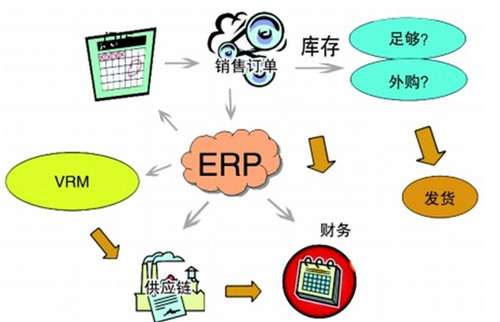
1. Requirement Analysis and Planning Clarify objectives: Determine the specific operating procedures the enterprise needs to standardize, such as procurement, production, inventory management, and sales. Identify key business processes and pain points, and set improvement goals. Select a suitable ERP system: Choose an ERP system with comprehensive functions and high flexibility to ensure that it can meet the enterprise's specific needs. Consider system scalability and compatibility to facilitate future upgrades and expansion. 2. Process Review and Optimization Current-state analysis: Conduct a comprehensive review of existing business processes and identify bottlenecks and deficiencies. Collect opinions and suggestions from all departments to ensure that process design is comprehensive and feasible. Process optimization: Based on the current-state analysis results, optimize and reorganize processes to ensure efficiency and consistency. Develop standard operating procedures, SOPs, and clarify specific operating steps and responsibility allocation for each link. 3. System Configuration and Implementation Configure the ERP system: Configure each ERP system module based on the optimized processes, such as procurement management, production management, inventory management, and sales management. Set system permissions to ensure that different roles and departments can access and operate only the data and functions within their responsibilities. Data entry and migration: Enter the enterprise's basic data, such as product information, supplier information, and customer information, into the ERP system. Ensure data accuracy and completeness, and perform data cleansing and verification when necessary. 4. Training and Go-Live Employee training: Train relevant employees on system operation and standard operating procedures to ensure that they can use the ERP system proficiently. Provide operation manuals and frequently asked questions for employees to reference and study. Trial operation and feedback: Conduct trial operation within a small scope, collect feedback, and promptly adjust and optimize system configuration and processes. After ensuring stable system operation and smooth processes, gradually expand the usage scope and ultimately promote it across the entire enterprise. 5. Continuous Monitoring and Improvement Real-time monitoring: Use the ERP system to monitor the operation of each business process in real time and promptly identify and solve problems. Generate reports and analyses regularly to evaluate process execution results and performance. Continuous improvement: Based on monitoring and analysis results, continuously optimize and improve standard operating procedures to meet business development needs. Introduce new management tools and technologies, such as the Internet of Things and artificial intelligence, to further improve process intelligence and automation.
6. Corporate Culture Building Promote the concept of standardization: Promote the importance of standardized operations within the enterprise so employees recognize their significance in improving efficiency, reducing errors, and enhancing quality. Encourage employees to participate in process optimization and system improvement, forming a corporate culture of full participation and continuous improvement. An ERP system can not only integrate various enterprise resources, but also provide real-time data support and analysis tools, giving enterprises a scientific basis for decision-making. Establishing standardized operating procedures through an ERP system can help furniture enterprises optimize operations, improve efficiency, and reduce errors. The age of informatization has arrived, and only by keeping pace with the times can enterprises quickly adapt to internal and external changes. Soonfor Software is a leading domestic provider of home furnishing ERP software, MES systems, CRM systems, SCM systems, and PLM systems. It is an engine that drives the digital and intelligent transformation and upgrading of the pan-home furnishing industry.
Back to List >>