How can an MES system make production cycles controllable? As the key bridge connecting enterprise resource planning systems, ERP, and on-site production equipment, a manufacturing execution system, MES, plays a vital role in modern manufacturing. By integrating real-time data, optimizing production processes, and enhancing quality management, an MES system makes production cycles more controllable and efficient. How can production cycles be brought under control? Real-time Data Collection and Monitoring: An MES system can collect and monitor data from each link of the production process in real time, such as machine status, process parameters, and quality data. This enables managers to quickly identify and respond to abnormalities in production, reducing downtime and production delays.

Planning and Scheduling Optimization: An MES system can perform dynamic scheduling and plan adjustments based on real-time data to ensure optimal resource allocation. By optimizing production plans, it reduces waiting time and changeover time and improves production efficiency. Quality Management: An MES system provides real-time quality monitoring and management, allowing quality problems to be identified and corrected during production, reducing scrap and rework rates. By tracing the root causes of quality issues, continuous improvement can be carried out. Material Management: An MES system can accurately track and manage materials required for production, ensuring timely material supply and reducing production interruptions caused by material shortages. It can also optimize inventory levels and lower inventory costs. Process Flow Management: An MES system can record and manage each process flow in detail, ensuring that production strictly follows the established process standards. This helps maintain production consistency and stability and reduces variation. Employee Management and Training: An MES system can monitor and record employee operations, helping identify training needs and provide corresponding training plans to improve employee skills and operational standardization. Equipment Maintenance Management: Using an MES system for preventive and predictive maintenance management of equipment can reduce the frequency of equipment failures, extend equipment life, and ensure stable operation of production equipment. Data Analysis and Reporting: An MES system provides detailed data analysis and reporting functions, helping managers make data-driven decisions. By analyzing historical data and trends, continuous production optimization and improvement can be achieved.
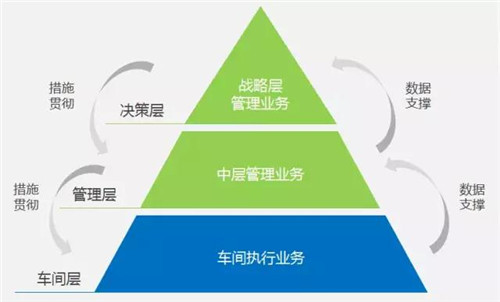
Through the above methods, an MES system plays an important role in improving production-process transparency, efficiency, and flexibility, making production cycles more controllable. Real-time data collection, optimized scheduling, strict quality control, and precise material management ensure production continuity and stability. Soonfor MES helps home furnishing enterprises build automated and intelligent workshops, monitor manufacturing processes in real time, collect on-site production data in real time, and achieve digital and transparent production management.
Back to List >>