

In the home furnishing manufacturing industry, solid wood, panel furniture, and upholstered furniture each place completely different demands on digital solutions because of their major differences in material properties, process flows, and management priorities. General-purpose management software often fails to fit all three, making successful digital transformation possible only when solutions are matched to the characteristics of each production track.

I. Panel furniture: pursuing ultimate efficiency and automation
Track characteristics: high standardization, large batches and unified specifications, with speed and savings at the core.
Core pain points: cumbersome and error-prone order splitting, low board utilization, chaotic production scheduling and front-end/back-end data gaps.
Dedicated digital solution:
Intelligent automatic order splitting: introduce an advanced algorithm engine to automatically split custom orders into production components with one click, replacing manual Excel operations, multiplying efficiency and achieving zero errors.
Optimized layout system: integrate intelligent layout algorithms to automatically calculate the optimal cutting path, raise board utilization to the limit and directly reduce material costs.
Front-end and back-end integration: realize seamless connection between design software and production equipment (CNC), allowing data to directly drive machines, eliminating manual transcription errors and achieving design-to-production.
Flexible scheduling: use APS (Advanced Planning and Scheduling) systems to dynamically match capacity for multi-variety, small-batch orders, flexibly respond to inserted and urgent orders, and ensure delivery cycles.
II. Solid wood furniture: focusing on process control and traceability
Track characteristics: many non-standard customizations, long process flows such as cutting, drying, woodworking, sanding and painting, and strong influence from natural wood properties, with control and traceability at the core.
Core pain points: numerous processes are hard to monitor, wood moisture content and color difference are hard to manage, piece-rate wage calculation is complex, and work in process (WIP) backlog is serious.
Dedicated digital solution:
Refined modeling of all processes: establish flexible models adapted to complex solid-wood process routes, such as white body, painting and assembly, to realize reporting, quality inspection and traceability for every process.
Full lifecycle management of wood: record key data such as batches and moisture content throughout log procurement, drying, conditioning and surplus material utilization to ensure stable quality and reduce waste caused by material variation.
Complex piece-rate payroll system: built-in individual/collective piece-rate algorithms adapted to multiple processes and job types, automatically collecting labor-hour data, accurately calculating wages and motivating workers.
Transparent progress tracking: collect workshop data in real time through the MES system, allowing managers to view each order's current process, responsible person and estimated completion time at any time, eliminating the production black box.
III. Upholstered furniture: overcoming material kitting and variable BOMs
Track characteristics: involves multiple materials such as fabrics, foam, wood and hardware, with complex and frequently changing BOM (bill of materials) structures, and matching and accuracy at the core.
Core pain points: fabric cutting plans are hard to optimize, auxiliary material matching is error-prone, such as sofa frames not matching fabrics, color batch management is difficult, and outsourced processing control is weak.
Dedicated digital solution:
Dynamic BOM management: support complex option logic, such as different color and material combinations, automatically generate accurate Material Requirements Planning, and prevent missing or wrong purchases.
Intelligent cutting-bed integration: connect CNC cutting beds, optimize leather/fabric cutting paths, improve utilization of expensive fabrics, and automatically record surplus material information for secondary use.
Kitting pre-check: automatically perform material kitting analysis before production to ensure frames, foam, fabrics, hardware and all other components are in place before work starts, avoiding semi-finished product backlog and capital occupation.
Color and batch traceability: strictly manage fabric dye-lot numbers and batches to prevent color differences in the same sofa set and meet high-end customers' strict quality requirements.
Digitalization in different tracks is not simple software installation, but reconstruction of management logic. Panel furniture focuses on automated flow, solid wood focuses on process refinement, and upholstered furniture focuses on precise material kitting. Only by deeply understanding industry genes and integrating process knowledge into the software core can cost reduction and efficiency improvement truly be realized.
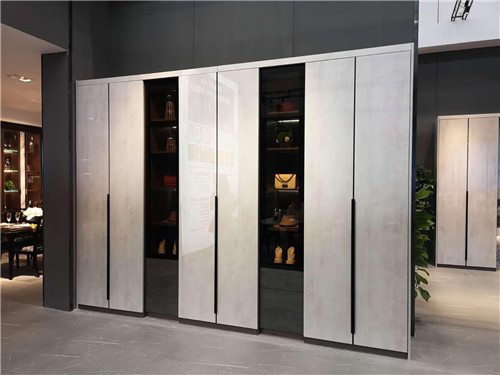
In this field, Soonfor Software has become a preferred partner for many enterprises thanks to nearly 30 years of deep cultivation in the pan-home furnishing industry..Its solution is not a simple modification of general ERP, but truly process-native: it empowers panel furniture enterprises through intelligent order splitting and layout, supports solid-wood production through full-process traceability and complex piece-rate calculation, and solves upholstered furniture challenges through dynamic BOM and kitting management.
Back to List >>Call Soonfor
Sales: 137-1208-6729
After-sales: 400-1166-002

Back to Top
|
Free Consultation
|
Online Support
|
Submit Request |