What does an MES system mean? What is it used for? The most intuitive change brought by MES lies in real-time data. Unlike ERP systems, where production plans, production progress, and material consumption all need to be uploaded manually, MES presents real-time data directly on managers' computers and apps. So what exactly doesan MES system mean, and what is it used for?
Introduction to MES systems:
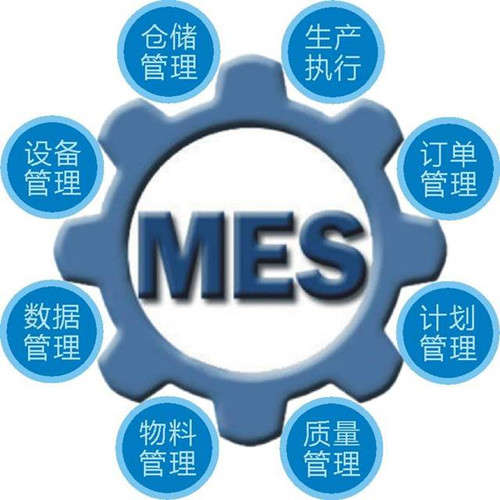
MES (Manufacturing Execution System) is a production process execution system for manufacturing enterprises and an information management system oriented toward the workshop execution layer of manufacturing enterprises. MES can provide enterprises with management modules including manufacturing data management, production scheduling management, production dispatching management, inventory management, quality management, human resource management, work center and equipment management, tool and fixture management, procurement management, cost management, project kanban management, production process control, lower-level data integration analysis, and upper-level data integration decomposition, creating a solid, reliable, comprehensive, and practical manufacturing collaborative management platform for enterprises.
Functions of MES systems: Achieving transparent production management (MES systems) Many managers need to manage the production site and therefore need to understand the latest conditions on the shop floor, but it is impossible for them to be on site every moment. That would also waste a great deal of time and is unnecessary. MES systems can help enterprises achieve transparent management of on-site production. When users organize production, they only need to confirm the product, and the system will automatically determine the relevant material information and production route. All operational information in the production process is also created by the system in real time, which can reduce the number of work order transfers and ensure the accuracy of information transmission. The system can assign materials or other products to corresponding workstation equipment for workshop managers and provide a certain amount of operation guidance and specific operating steps. Timely feedback on abnormalities Enterprises all want to improve production efficiency, and the manufacturing execution system can constrain equipment usage and set permissions for different users, thereby avoiding many errors. Once abnormalities occur, the system will prohibit operations beyond the constrained scope. At the same time, abnormal information can be quickly transmitted to other related departments, allowing timely production adjustments and problem-solving. Product information traceability MES applies integrated technology and, through on-site data collection, can establish associations among materials, equipment, personnel, tools, semi-finished products, and finished products, ensuring information continuity and traceability. The manufacturing execution system can provide real-time data and inform production managers of actual workshop operations and equipment production status, while also providing different departments with customer order production status. In this way, production information can be shared across departments, reducing a large amount of statistical work, improving production efficiency, achieving comprehensive and reliable statistics, and realizing a complete product traceability system.
Improving production efficiency Through the system's internal barcode technology, the entire production process from material input to finished goods warehousing can be tracked, and all events occurring during production can be collected in real time, enabling complete transparent management of the entire factory workshop. At the same time, MES systems change the traditional management model and replace manual records with more accurate, timely, and rapid data feedback, reasonably avoiding human input errors. In addition, it can help on-site inspectors concentrate better and improve work efficiency. It helps enterprises realize integrated design and manufacturing, provides advanced technical reserves, and supports enterprises in achieving lean production and lean management. Against the backdrop of the Industry 4.0. era, MES systems replace traditional production management models and move toward the intelligent era. They integrate management software systems and multiple comprehensive intelligent systems, and have functions for statistical analysis of production data, enabling enterprises to grasp production data in real time, reduce production costs, strictly control quality, and provide early warning functions. They integrate data on raw material ratios, production processes, and production quantities to generate data reports. In short, MES can help enterprises improve production efficiency, enhance management capabilities, and achieve intelligent management.
Back to List >>