What are the differences between ERP systems and office software? Behind the active development of enterprise management software lies an industry status quo with a mixture of good and bad options. Which type of application software should enterprises choose as their informatization tool? People often hear about ERP management software, but do not know the differences between ERP systems and office software.
Differences between ERP systems and office software:
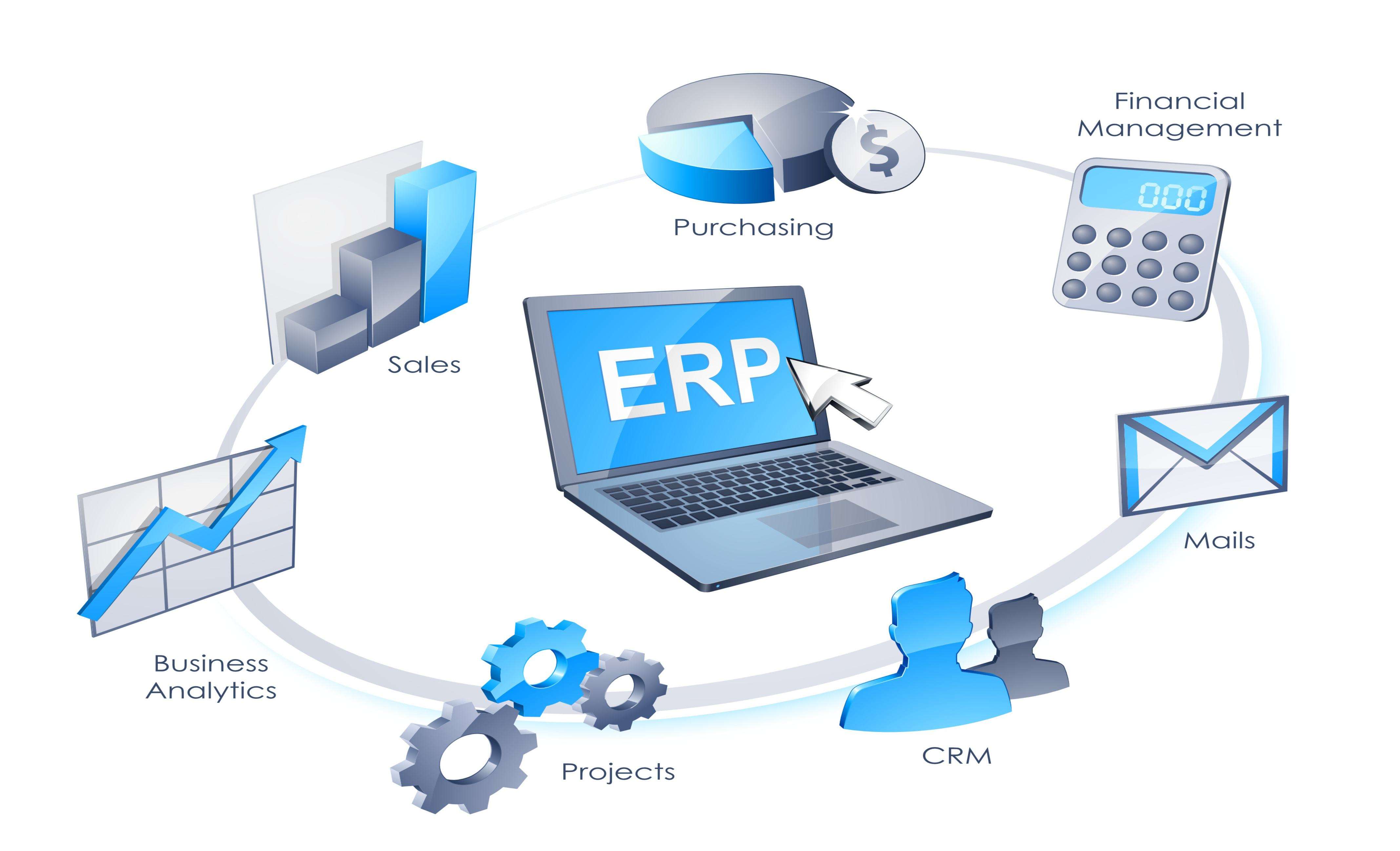
1. Different purposes ERP system is the abbreviation of Enterprise Resource Planning. It refers to a management platform built on information technology, integrating information technology with advanced management thinking, and providing decision-making tools for enterprise employees and decision-makers through systematic management concepts. Office software refers to software that can perform tasks such as word processing, spreadsheet creation, presentation creation, graphic and image processing, and simple database processing. 2. Different target users ERP systems are business application systems aimed at the internal management needs of enterprises, mainly referring to core modules such as finance, logistics, and human resources. Office software is mainly intended to improve office efficiency and handle specific work details. 3. Different operators and users ERP systems require professionally trained personnel, and vendors provide specific services for enterprises, whereas office software can be learned and used based on some common knowledge and fragmented self-study. The above three points fully explain the differences between ERP systems and office software. ERP software focuses on business management and financial accounting, managing core value chains such as enterprise business flow and capital flow. Through configurable management models and business processes, it helps enterprises standardize and automate key business processes. ERP software not only supports enterprise business staff in managing business execution processes, but also assists functional management personnel in completing administrative management work such as HR and finance.
Back to List >>