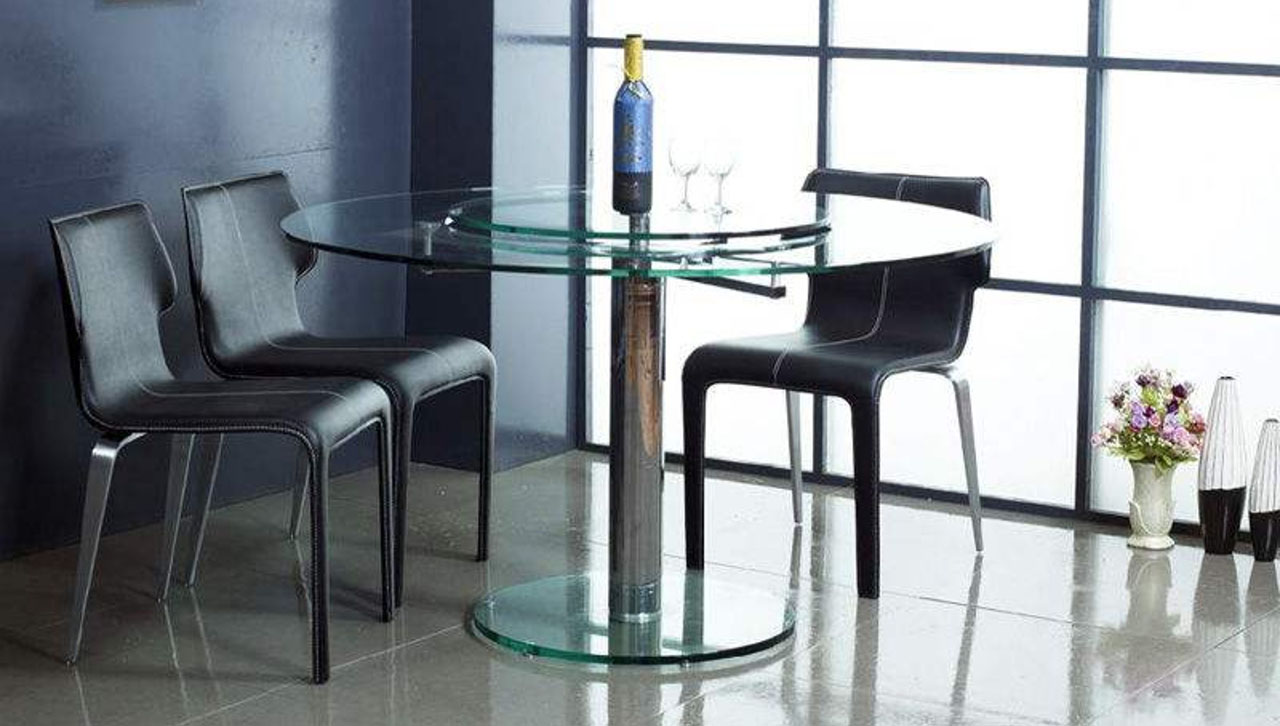
The main components of modern metal furniture are mostly made from high-quality thin-wall carbon steel tubes, stainless steel tubes, steel metal tubes, wood, various artificial boards, glass, stone, plastic, and leather.
The metal materials used in metal furniture can be formed through stamping, forging, casting, molding, bending, welding, and other processes. Surface treatment and decoration are usually completed through electroplating, spraying, and plastic coating. Connections are generally assembled through welding, screws, pins, and other methods.
Metal furniture comes in many structural forms, including knock-down, folding, nesting, and plug-in structures.
Green and environmentally friendly
The raw material of metal furniture is cold-rolled steel sheet derived from mineral resources. With the rise of the steel industry's green revolution and zero-energy production processes, metal materials do not cause resource waste during selection, manufacturing, or retirement after use, nor do they harm the ecological environment. They are reusable and sustainable resource products.
Fire resistance, moisture resistance, and magnetic resistance
Metal furniture can withstand fire better and help minimize losses. Its moisture-resistant characteristics are especially suitable for southern regions. In many humid areas, important documents, photos, instruments, medicines, and magnetic media are vulnerable to moisture damage, while metal furniture helps solve this problem.
Diverse functions and space saving
Because cold-rolled sheet metal has good strength, metal furniture can meet many functional needs after bending and processing. Features such as multiple drawers, multiple doors, mobility, and simplicity can all be achieved in different products. Many types of metal furniture can also be folded, which makes them convenient to use and space-saving.
Hard and cold texture
The physical characteristics of steel make metal furniture feel hard and cold, which can conflict with the warm texture many people prefer in home environments.
Louder noise and limited tones
Because of the nature of the material, metal furniture may produce sounds that some users dislike, and historically its color palette has also been relatively limited.

在面对日益增长的订单量,如何严格控制客户订单的交期?
如何保证发货包装的准确率?
如何跟踪订单发货/收货情况,防止串货?
在将相同工艺/材料的材料,如何合并在一个生产指令内生产,最大化生产效率?
在市场个性化要求不断增大的情况下如何最大化提高材料利用率?
如何控制标准件和材料的安全库存,达到最大生产效率?
如何管理与控制余料的利用?
如何监控订单在生产过程中的实时流程情况?
如何合理规划生产过程中的工艺流程?
如何准确辨别与定位打孔信息?
如何区分个性化订单中标准件与非标件?
如何定义不合格组件的再次返工流程与管控?
如何保证发货正确,无漏件,错件?
支持多订单合并,实现订单混排,实现开料优化,精准控制开料,提高板材利用率与开料效率;
生产物料需求计划和请购、采购、质检、收货过程的流程化操作,实现采购过程的有效管控,降低采购成本,缩短采购周期;
支持全方位多维度的高级排程,实现三级计划体系,保证工厂生产计划执行运作稳定,提升生产准交率。
Call Soonfor
Sales: 137-1208-6729
After-sales: 400-1166-002

Back to Top
|
Free Consultation
|
Online Support
|
Submit Request |