

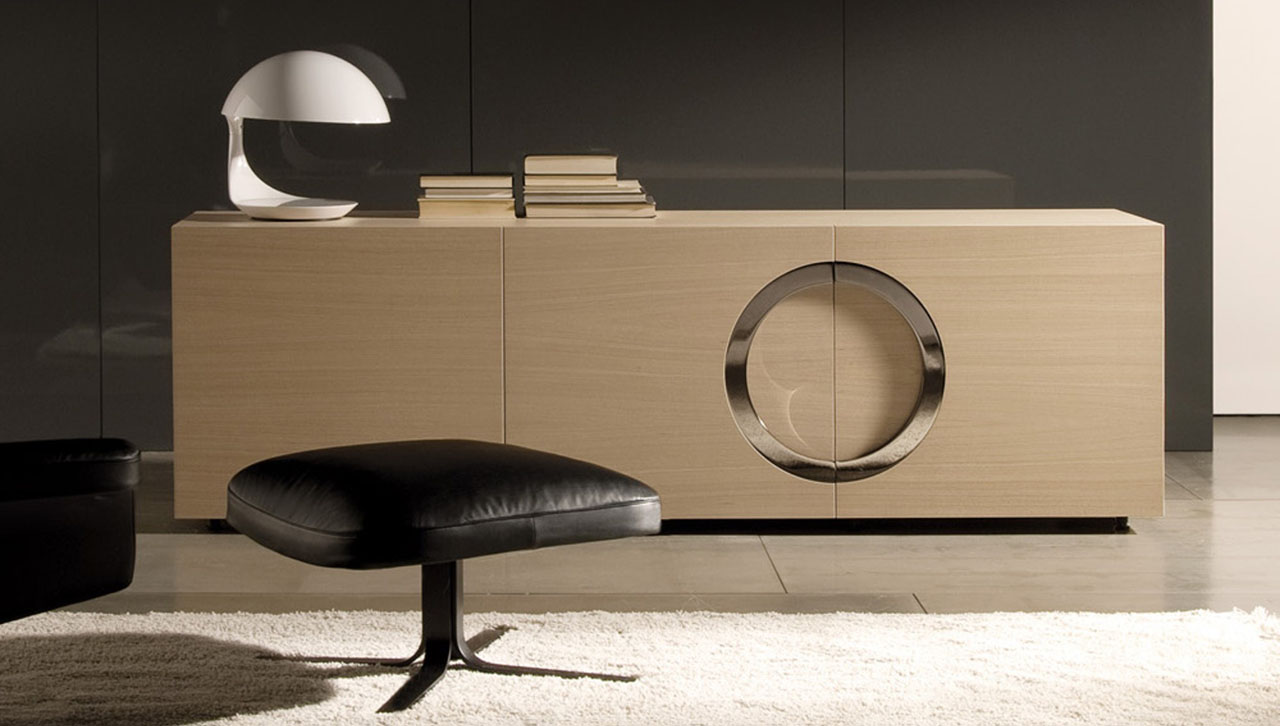
Around 1995, China saw the first wave of panel furniture development, which was divided into northern and southern schools. Northern enterprises were represented by a group of strong state-owned enterprises whose products mainly followed Japanese style and often combined panel structures with solid wood. Southern enterprises were mainly Hong Kong-funded companies whose products were largely European modern in style. At that time, production equipment, major raw materials, and hardware accessories largely relied on imports. Some poorly managed enterprises upgraded hard assets such as equipment but failed to keep pace in market marketing, product development, and production management, and were eventually eliminated.
In recent years, domestic furniture factories have developed rapidly and the industry is experiencing a process similar to that of the first generation of local panel furniture enterprises, but with some fundamental changes. The market has shifted from a seller's market to a buyer's market, domestic equipment now accounts for more than half of industry use, major raw materials and hardware accessories have become localized, and practitioners are much more mature. If the first stage forced many imported brands out of the Chinese market, this stage is a more intense competition among domestic enterprises themselves. In recent years, panel kitchen cabinets and wardrobes have developed rapidly, with high automation, and many enterprises have followed this trend.
Painted panel furniture
Paint-free panel furniture
Melamine veneer: scratch resistant, heat resistant, water resistant, highly practical, and available in diverse textures and patterns with a strong three-dimensional effect;
Solid-wood veneer: diverse in style and able to imitate the overall high-end feel of solid-wood furniture;
Cat-eye paper veneer and fireproof board veneer: generally lower-end finishes, with cat-eye paper being inexpensive but less practical;
Fireproof board veneer: relatively weaker in environmental performance because of construction characteristics.
Not easy to deform, easy to disassemble and assemble, and convenient for transportation and storage;
Diverse appearance changes, strong personalization, and relatively affordable pricing.
Main materials
Common artificial boards include ecological boards, plywood, blockboard, particleboard, fiberboard, decorative panels, composite multilayer boards, and fireproof boards.
Auxiliary materials
Veneers include melamine veneer, solid-wood veneer, cat-eye paper veneer, and fireproof board veneer.
Edge banding includes PVC wood-grain edge banding, ABS edge banding, and melamine edge banding.
Paint materials include primer, top coat, hardener, thinner, color paste, and glazing materials.
Hardware includes screws, slides, handles, hinges, connectors, and decorative hardware.
Packaging materials include cartons, paperboard, corner protectors, foam, sealing tape, and related materials.
接单定制化,门店如何快速响应客户个性化需求;
如何快速生成产品BOM、工艺流程、加工G代码、报价方案和包装方案;
板材规格尺寸不统一,如何提高板材及余料利用率;
板件众多,部件化生产,如何解决快速移转、包装配套、产品配套、订单配套;
自动化程度高,如何打造智能车间。
数夫CRM系统及时获取现场测量信息,门店快速出图、报价和下单,订单实时传递到工厂ERP系统;
数夫ERP与市场上各种设计软件对接,获取炸单原数据,并在ERP中做拆单深化,快速生成下游部门可直接引用的数据(例如料单、工艺流程、G代码、报价方案、包装方案);
数夫ERP之裁板管理模块,可自动生成裁板优化方案、裁板图、采购建议、领料单和余料回收清单,提高板材利用率,及时消化余料库存;
数夫APS高级排产优化,生产计划到机台,生产时间到分秒,产线均衡,节拍协调,轻松解决齐套问题;
数夫专家顾问管理咨询和数夫敏捷高效的信息化管理系统,帮家居企业轻松打造柔性化、智能化的车间。












Call Soonfor
Sales: 137-1208-6729
After-sales: 400-1166-002

Back to Top
|
Free Consultation
|
Online Support
|
Submit Request |