

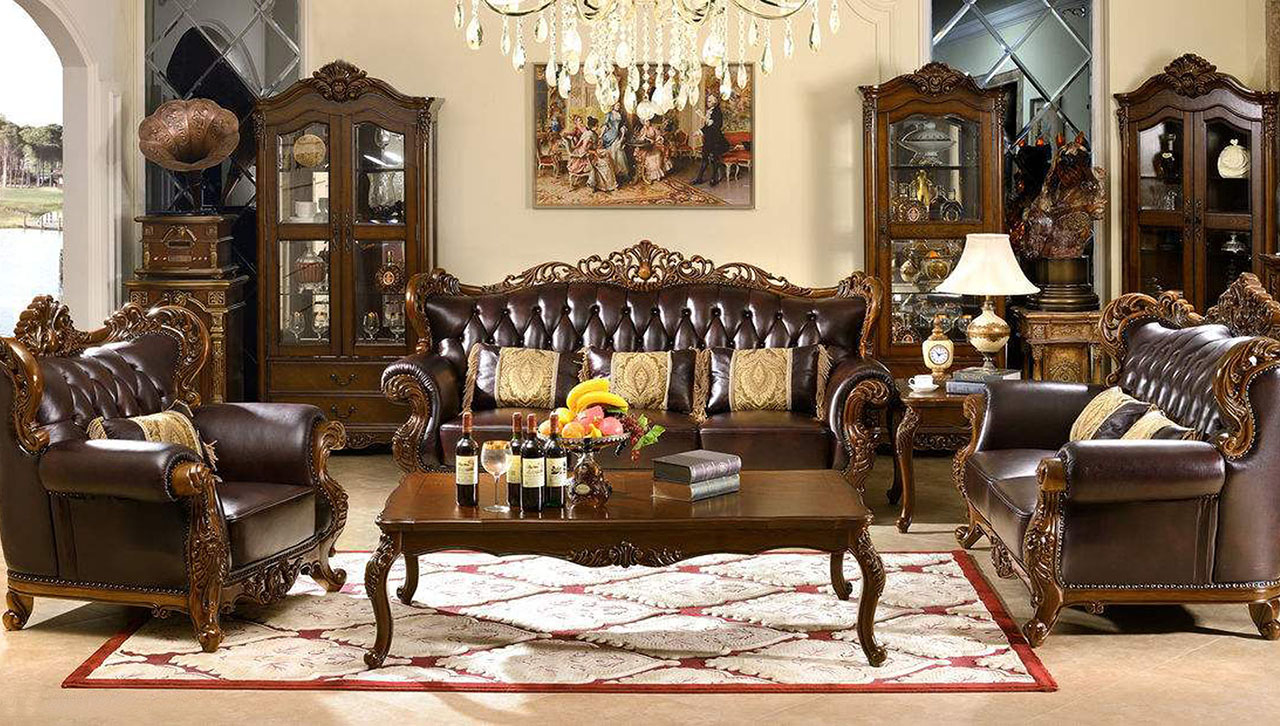
From appearance-driven demand to quality-driven demand
After entering the 21st century, demand for wooden furniture has gradually shifted from focusing on appearance to focusing on material quality, and more new products now compete through original design and high-quality raw materials.
A period of expansion led by volume
By 2010, China's furniture industry had gone through its first high-speed development period, mainly driven by quantitative expansion, and had initially established a complete industrial system with a full range of categories aligned with international standards. Its products were able to meet both domestic living needs and international market demand.
Stronger brand awareness
With economic growth and rising household income, the purchasing power of domestic consumers increased rapidly. As more people pursued higher-quality living, brand awareness for solid-wood furniture also strengthened.
Pure solid-wood furniture
All materials used in the furniture are solid wood, including tabletops, wardrobe doors, side panels, and other components, with no use of artificial board materials.
Imitation solid-wood furniture
Imitation solid-wood furniture looks like solid wood from the outside, with similar natural grain, feel, and color, but is actually made with a combination of solid wood and artificial boards, such as particleboard or MDF with wood veneer on side panels, tops, bottoms, and shelves.
Natural, environmentally friendly, and healthy, expressing the beauty of nature and authenticity;
Long service life. The lifespan of panel furniture is generally three to five years, while real solid-wood furniture can last many times longer;
Value-retaining and able to bring a warm wooden atmosphere to living spaces. With natural textures and varied forms, it is favored by mid-to-high-end consumers;
A combination of tradition and fashion that creates a new trend in solid-wood furniture, with modern and classical styles both remaining important.
Rosewood species such as huanghuali, zitan, huali, suanzhi, and jichi wood
Other common species include oak, rubber wood, ash, walnut, cherry, maple, birch, beech, cypress, camphor wood, nanmu, mahogany-family woods, and similar materials
Paint, inlay, moldings, hardware, glass, packaging materials, veneer, and sanding materials
Paint materials include primer, top coat, hardener, thinner, color paste, and glazing materials
Hardware includes screws, slides, handles, hinges, connectors, and decorative hardware
Packaging materials include cartons, boards, corner protectors, foam, and sealing tape
Sanding materials include sandpaper, sanding belts, and grinding wheels
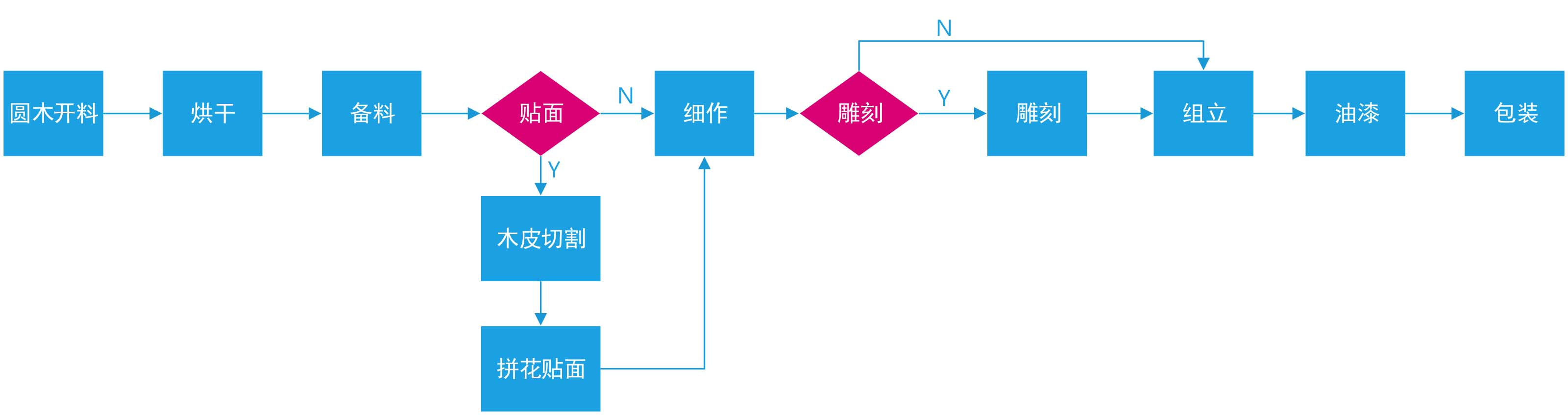
Material preparation workshop: selection, marking, curve sawing, fixed-length cutting, width sizing, panel joining, pressing, finger jointing, and four-side planing;
Veneer workshop: substrate preparation, CNC processing, veneer matching, direct veneer joining, veneer cutting, veneer assembly, hot pressing, flat sanding, machine sanding, and hand sanding;
Fine woodworking workshop: cutting, profiling, planing and pressing, tenon making, mortise-and-tenon assembly, grooving, shaping, CNC processing, turning, sanding, pre-embedded hole processing, drilling, opening, machine sanding, and hand sanding;
Carving: marking, machine carving, hand carving, joint-line processing, copying, machine sanding, and hand sanding;
Assembly workshop: trimming, wrapping, leveling, flat sanding, lamination, flocking, film application, drilling, frame assembly, groove repair, embedded parts, adjustment, inlay, nailing, finishing, trial assembly, and final sanding;
Painting: sanding, primer, color adjustment, top coating, fine polishing, gilding, decorative painting, and antique finishing;
Packaging: final assembly, packaging material cutting, sealing, taping, wooden-frame nailing, and barcode labeling.
实木材质众多、规格、等级不一,产品品质不稳定;
油漆用量难以估算,浪费严重;
产品结构复杂,现场难齐套;
产品生产周期长、工艺流程不规则,进度难管控;
备货数量拍脑袋,库存积压严重;
生产自动化程度低,一线人员密集,产能无法准确把握;
生产计划粗犷,无法计划到人,计件工资核算工作量大且不及时;
实木材料成本高,利用率低,余料难管理。
材料二级管理(批次、等级、尺寸、供应商等),实木选料管理、实木开料管理;
色板管理、涂装方式管理、油漆BOM;
套包件应用,生产齐套分析管理,订单锁库存管理;
产品销售预测分析、公用部件生产预测分析;
防伪溯源管理,产品有身份、去向可追溯、客户有保障;
四级计划体系(产品、部件、工序、工位);
快速搭建产品用料标准(BOM)与用时标准(BOR);
贴合家具行业的采购策略:批量别、制令别、订单别、补货点别、请购别;
贴合家具行业的库存管理机制(成品仓库管理、部件仓库管理、材料仓库管理)。










































































Call Soonfor
Sales: 400-1166-002
After-sales: 0769-22364912 Ext. 200

Back to Top
|
Free Consultation
|
Online Support
|
Submit Request |