A Trillion-Yuan Opportunity for Reclining School Desks and Chairs
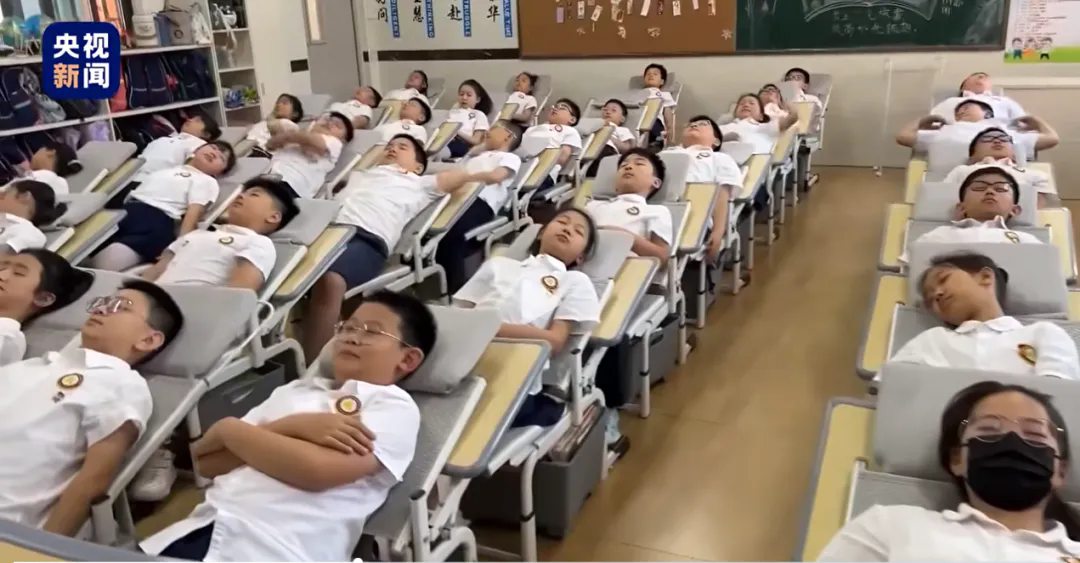
On February 1, the new national standard officially took effect, moving reclining school desks and chairs from local pilots toward nationwide adoption. This industry change caused by one chair is not only about student health, but also signals a new round of reshuffling and opportunity in the office and school furniture market.
From Local Pilot to National Requirement
For many students, sleeping face down at desks has long been associated with spinal pressure and numb arms. Since the concept of reclining school desks and chairs emerged in 2021, Zhejiang, Guangdong, and other regions piloted the idea and received strong responses from parents and society. The national standard implemented on February 1, 2026 became a milestone, making healthy lunch breaks a clear requirement for campus construction.
Product Standards and Technical Requirements
The new standard raises quantified requirements for dimensions, angles, durability, and comfort, making fake reclining products harder to survive.
| Requirement | Standard Detail |
|---|---|
| Expanded length | Must exceed 1050 mm so students of different heights can stretch comfortably |
| Backrest angle | Must reach more than 135 degrees to distribute spinal pressure scientifically |
| Durability test | The leg-rest component must withstand more than 20,000 durability tests |
| Headrest size | Width must be at least 180 mm and length at least 100 mm |
| Leg-rest area | Width must be at least 250 mm and length at least 100 mm |
Why Digital Management Becomes Essential
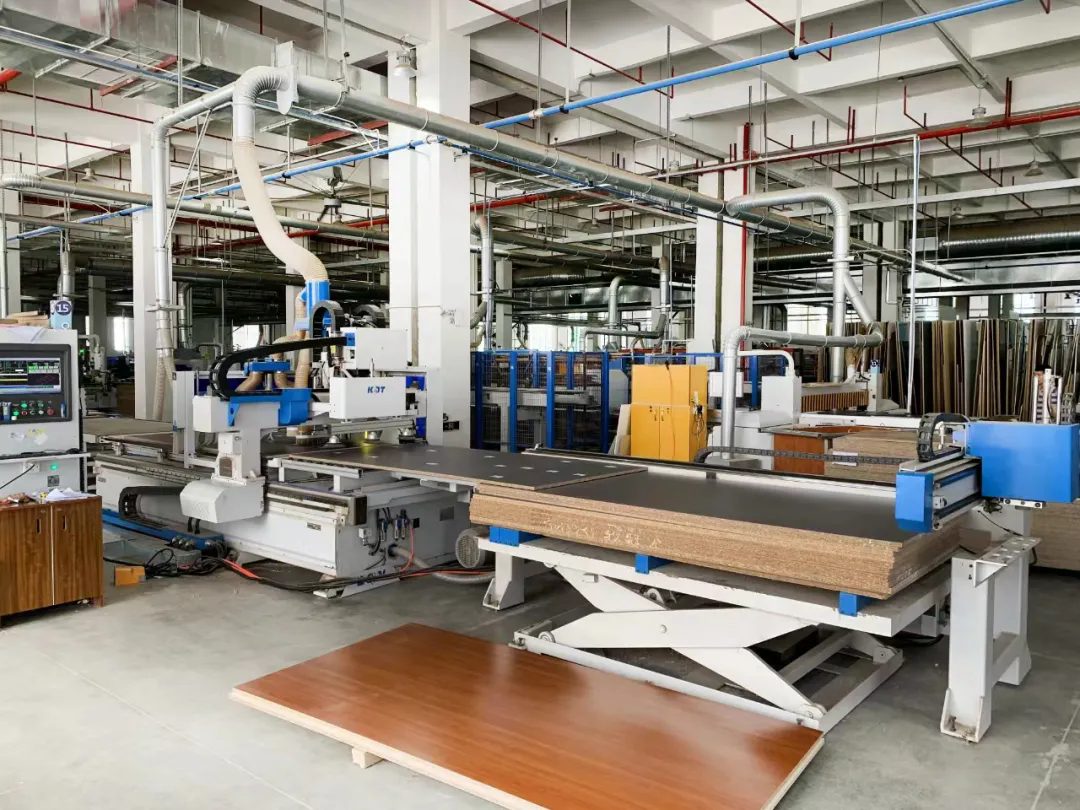
The new standard creates order surges and strict quality requirements that traditional manual management and rough production can no longer handle. Reclining desks and chairs have more complex structures and more components, making BOM management much more difficult.
Quality traceability also becomes rigid. Durability data from more than 20,000 tests and sourcing information for every component must be traceable to meet strict inspection requirements. At the same time, the market requires shorter delivery cycles, quick response, and flexible production.
Industry Outlook
For furniture enterprises, the new national standard is not merely a product upgrade. It opens a large specialized market. Enterprises need intelligent systems that connect sales, design, production, and warehousing, embed standard parameters directly into production processes, and shift quality control from manual supervision to system-based control.